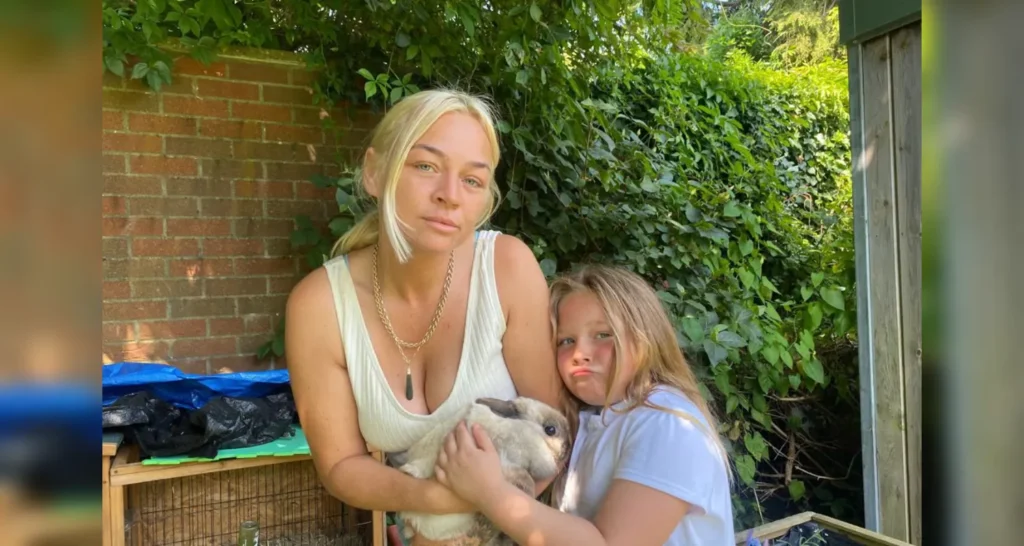
A Southampton mother says she feels “powerless” after a court ordered her to remove her daughter’s much-loved pet rabbit, along with a hutch and a homemade vegetable patch, from the shared garden outside her flat.
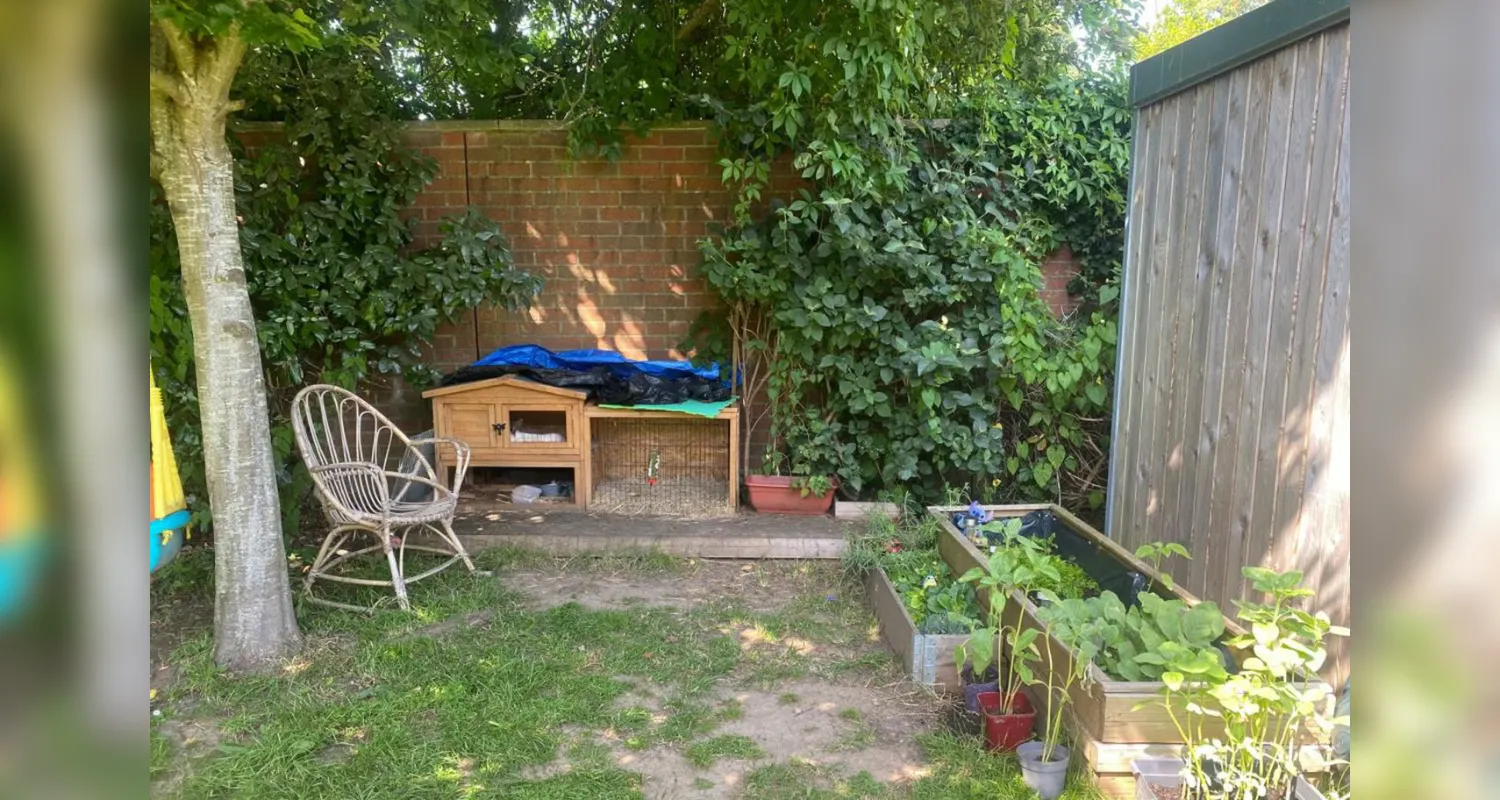
Storm Tapp-Grant, 33, from Bitterne, was taken to Southampton County Court by the housing association Aster after she and her two young daughters turned part of the communal garden into a space to keep their rabbit, Nibbles, and grow their own vegetables. On 18 June 2026, Aster secured an injunction requiring the family to remove the rabbit, the raised beds and the decking from the shared gardens within 14 days.
For Ms Tapp-Grant’s six-year-old daughter, Everest, the rabbit is far more than a pet. Nibbles was an Easter gift from Everest’s grandfather two years ago — a grandfather who has since passed away — giving the animal deep sentimental value for the family.
The story at a glance
- Who: Storm Tapp-Grant, 33, and her daughters Everest (6) and Arizona (2), of Bitterne, Southampton.
- What: A court injunction ordering the removal of their pet rabbit Nibbles, a hutch, decking and a vegetable patch from the communal garden.
- Who brought the case: Housing association Aster, the family’s landlord.
- When & where: Southampton County Court, 18 June 2026.
- The order: Items to be removed within 14 days of the order being granted.

‘I felt ambushed’ — the mother’s side
Ms Tapp-Grant, who has lived at the property since 2021, created the vegetable patch around two years ago to teach her children about growing healthy food. The family has grown lettuce, runner beans and cabbages, and this year planted carrots, parsnips and sunflowers, while caring for Nibbles in the same corner of the garden.
She said the family built and paid for the garden themselves, and felt blindsided by the legal action.
“The kids all love the garden and the vegetable patch which we built and paid for with our own money. I felt so powerless and scared. I was overpowered completely — it was an open and shut case and they didn’t even listen to what I had to say.”
Her daughter Everest described Nibbles as the “best pet ever” and pleaded for the rabbit to stay.
“If they took her away, I would be so so sad, I wouldn’t even bother coming into the garden. Don’t take Nibbles away — she’s my pet, not yours.”
Aster’s response: ‘concerns about welfare and shared space’
Aster said the rabbit, hutch, decking and raised beds had been installed on communal land without the permission required under the tenancy agreement, and that other residents had raised concerns — including about the animal’s welfare. The association said it had tried to resolve the matter informally over a long period before going to court.
“We understand how important it is for our customers to enjoy their homes and shared spaces, and we always aim to balance individual needs with those of the wider community. Despite our efforts, the customer has refused to remove the items, so we had to take the difficult decision to pursue legal action. The court has since ordered that the items are removed.”
The association added that it is “looking to work with the family to explore keeping the rabbit inside their home, where appropriate and in line with their tenancy agreement,” and said it wants communal areas to “remain safe, accessible and shared fairly with all customers.”
Why communal-garden disputes like this happen
Cases like this often come down to the difference between a private garden and communal land shared by everyone in a block of flats. Most social-housing and shared-tenancy agreements require written permission before a tenant builds structures — such as decking, raised beds or animal hutches — on shared ground, even when the tenant has paid for the materials themselves. Pets are frequently allowed inside the home but not housed in communal areas.
When a landlord and tenant cannot agree, the landlord can apply to the county court for an injunction — a legal order compelling someone to do, or stop doing, something. Breaching an injunction can have serious consequences, which is why the 14-day deadline in this case carries real weight.
What tenants can do in a similar situation
- Check your tenancy agreement first. Look for clauses on pets, alterations and use of communal or “demised” areas before making changes.
- Ask for written permission. Verbal approval is hard to prove; a written request and reply protects you.
- Get free advice early. Organisations such as Shelter and Citizens Advice offer guidance on tenancy rights and possession or injunction proceedings.
- Engage before it reaches court. Most landlords must show they tried to resolve issues informally; responding early can prevent escalation.
- Know the pet rules. Reforms under the Renters’ Rights legislation have strengthened tenants’ ability to request pets — but rules on keeping animals in shared outdoor spaces still depend on your agreement and landlord consent.
Frequently asked questions
Why was Storm Tapp-Grant ordered to remove the rabbit?
Housing association Aster said the rabbit, hutch, decking and raised vegetable beds were placed on communal land without the permission required by her tenancy agreement, and that other residents had raised concerns. After informal efforts failed, Aster obtained a court injunction ordering their removal.
Does the family have to give the rabbit away?
Not necessarily. The court order concerns items kept in the communal garden. Aster has said it wants to work with the family to explore keeping Nibbles inside the home, where appropriate and in line with the tenancy agreement.
What is a county court injunction?
An injunction is a court order requiring a person to do something (such as remove items) or stop doing something. Here, the order requires the rabbit, raised beds and decking to be removed from the communal gardens within 14 days.
Can social housing tenants keep pets?
Many tenants can keep pets inside their home, often with the landlord’s permission, and recent rental reforms make it harder for landlords to unreasonably refuse a pet request. However, keeping animals or building structures in shared communal areas usually still needs specific written consent.
Sources: reporting by Erin Rhodes for the Southern Daily Echo and Will Rogers for The Independent (29 June 2026). Quotes are as reported by those outlets.