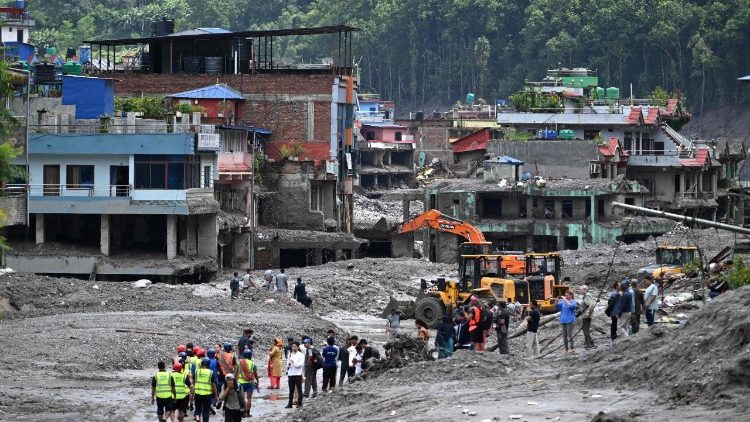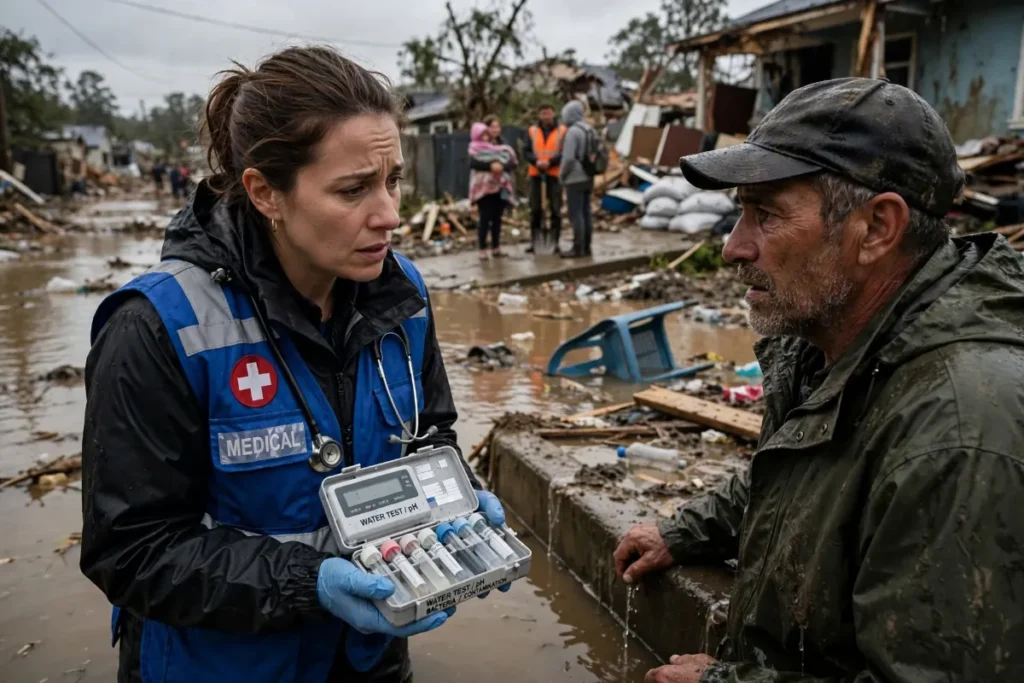
Doctors have warned of an increased risk of cholera, diarrhea, typhoid, leptospirosis, dengue, malaria, scrub typhus, and airborne infections spreading in areas affected by floods and landslides. This heightened risk is attributed to contaminated water, unsafe food, stagnant water bodies, increased mosquito breeding, lack of sanitation, and the necessity for displaced people to live in crowded temporary shelters.
Dr. Sher Bahadur Pun, an infectious disease specialist at Teku Hospital, stated that while epidemics are not directly caused by the bodies of humans and livestock killed in floods, there is a greater risk of indirect infection spread by rodents, insects, and other animals attracted to these carcasses.
He explained that if bodies in flood-affected areas are not managed for a long time, rats and other creatures may be drawn to them. Infected rat urine and other mediums can then spread diseases like leptospirosis. He also noted the potential for an increased risk of vector-borne diseases.
“Rather than infections suddenly spreading directly from bodies, various animals, rats, or insects are attracted to the carcasses of both livestock and humans. Such things can pose a risk to displaced people or individuals working in those areas. Taking the example of rats, leptospirosis can spread through infected rat urine. Similarly, vector-borne diseases like scrub typhus can also spread. The proximity of displaced people or those involved in rescue and management to such sources increases the likelihood of disease transmission.”
Dr. Pun clarified that the understanding that infections spread solely from bodies after floods is incorrect. He emphasized that if water, sanitation, toilets, food, and mosquito management are not properly handled in flood-affected areas, the chances of infection spreading are much higher.
According to him, a lack of safe drinking water can lead to waterborne diseases such as cholera, diarrhea, typhoid, and jaundice. Similarly, if floodwaters stagnate, creating an environment for mosquitoes to breed, the risk of dengue and malaria can also increase.
“If for some reason we cannot or do not get safe drinking water, problems like cholera, diarrhea, typhoid, and jaundice can arise. Stagnant water creates an environment for mosquitoes to breed, which also brings an increased risk of malaria and dengue.”
Dr. Pun also mentioned that even before the recent floods, there was an increase in patients with diarrhea and fever, and the mosquito population was growing. With sporadic cases of dengue already appearing, he warned that health risks could become even more challenging after the floods.
“Recently, even before the floods, there was an increase in patients with diarrhea and fever. Now, mosquitoes are also increasing significantly, and dengue cases are still appearing sporadically. The coming days are challenging.”
He added that since a large number of displaced citizens in flood-affected areas have to reside in temporary shelters, the risk of infection spreading further increases if proper toilet and sanitation facilities are not adequately managed.
According to Dr. Pun, some individuals with infectious diseases may not show any symptoms initially. However, since the infection can be shed through their feces and urine, the lack of proper toilets and sanitation in crowded temporary shelters can lead to the spread of disease among other people living in the same place.
“In some infectious diseases, symptoms do not appear; people look fine, but the infection might be shedding through their feces and urine. This can lead to the spread of disease among the displaced people living there. Therefore, toilets are extremely important.”
He stated that providing sufficient soap and water in flood-affected areas could significantly reduce the risk of infection. He suggested giving special priority to the habit of washing hands before eating and after using the toilet.
Children and Pregnant Women Need Special Attention
Dr. Pun stressed the need for special attention to the health of children and pregnant women during floods and disasters. Since even common infections can become severe in children, he advised focusing on safe food, clean water, and personal hygiene.
For pregnant women, he emphasized the importance of providing nutritious food and essential health services, alongside medicines.
“For pregnant women, it’s not enough to just think about antibiotics. We must also consider the nutritious food they need and the health services that can be provided. Children must also be kept safe from infection and should not be given arbitrary food.”
He shared his experience of observing more skin-related diseases and nutritional problems in the Terai region during past floods, cautioning that such issues should not be ignored in current flood-affected areas.
Immediate Treatment for Patients Needed
Dr. Pun stated that if any individual in flood-affected areas shows symptoms of diarrhea, fever, or other infections, they should be immediately taken to a health facility for treatment. To prevent the spread of infection from one person to another, he suggested deploying sufficient medicines and health workers in the affected areas.
“There is a possibility that any disease could emerge from there. If someone gets diarrhea, they must be rescued and treated immediately so that the disease does not spread from that person. Medicines should be available in as many places as possible, in a timely manner.”
He added that health workers should be deployed based on the number of displaced people in the affected areas. Besides sending medicines and health workers, he stressed the need to study the local environmental conditions and manage necessary health services accordingly.
Coordination Among Three Tiers of Government Necessary
Dr. Pun highlighted the need for effective coordination among federal, provincial, and local governments to control health risks after floods. He also suggested that the Nepali Army, Nepal Police, Armed Police Force, and other governmental and non-governmental bodies should coordinate to assess the extent of assistance required in each area.
He further added,
“This work would be even better if done in an integrated and coordinated manner. Coordination is needed among the three tiers of government, along with the Nepali Army, Armed Police Force, Nepal Police, and other agencies. An assessment of how much assistance is needed in which area should be made, and management should proceed accordingly.”
Health Should Not Be Ignored
Dr. Pun stated that while food, shelter, and clothing are the primary needs of citizens during a disaster, health should also be prioritized. He believes that many types of infections can be avoided by simply taking basic precautions in personal hygiene and safe food.
“The first priority might be food, shelter, and clothing, but that doesn’t mean health can be ignored. If we pay attention to just personal hygiene and food, we can avoid most diseases.”
He emphasized prioritizing efforts to prevent mosquito breeding in stagnant water, ensure safe water supply, provide proper toilet facilities, make soap and water available, and ensure timely access to treatment for patients.
Dr. Pun also advised being vigilant to ensure that regular health services are not compromised while all state mechanisms are focused on search, rescue, and relief efforts due to floods.
“The concern is that while our efforts are concentrated elsewhere due to floods and landslides, a reduction in health-related efforts might lead to another problem. We must remain vigilant everywhere to prevent problems in affected areas and to stop infectious diseases from spreading to other areas.”
He concluded by stating that the potential risks of waterborne, vector-borne, and airborne diseases that may appear after floods should be anticipated now, and necessary preparations should be made.
Although natural disasters are unexpected, he said that health risks that may follow can be prepared for in advance, urging relevant bodies to immediately initiate monitoring and prevention work.