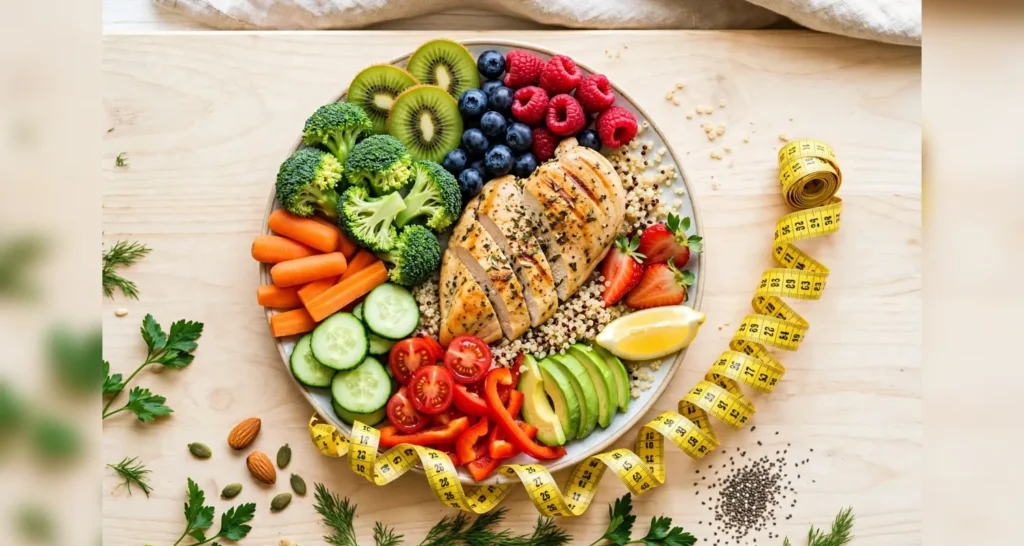
There’s no magic pill for weight loss — but there is a method that actually works and lasts. This evidence-based guide covers the best diet, the right foods, effective exercise, and healthy habits to lose weight safely, plus honest answers about fat burners, supplements and prescription diet pills. No hype, no crash diets.
The one thing that drives weight loss
Almost every successful weight loss plan works for the same reason: a calorie deficit — burning slightly more energy than you eat. You don’t need a fancy program to do this. You need whole foods, enough protein, regular movement and consistency. Aim for a steady 0.5–1 kg (1–2 lb) per week; that’s the pace that stays off.
What is the best diet for weight loss?
The honest answer: the best diet is the healthy one you can actually stick to. Studies consistently show that low-carb, Mediterranean, high-protein and balanced calorie-controlled diets all work when people follow them. Rather than chasing the “perfect” plan, build a weight loss diet around these principles:
- Eat mostly whole foods — vegetables, fruit, whole grains, beans, lean protein.
- Prioritise protein at every meal — it keeps you full and protects muscle.
- Cut back on ultra-processed foods, sugary drinks and refined snacks.
- Watch portions and liquid calories — they add up fast.
The Harvard Nutrition Source and the NHS both stress the same thing: quality and consistency beat any single “miracle” diet.
Best foods for weight loss
The most effective weight loss foods are high in protein or fibre, filling, and relatively low in calories. Fill your plate with these:
| High-protein, low-calorie | Filling & fibre-rich |
|---|---|
| Eggs, chicken breast, fish | Vegetables (all kinds) |
| Greek yogurt, low-fat dairy | Beans, lentils, chickpeas |
| Tofu, soya, paneer (in moderation) | Oats and whole grains |
| Lean meat | Fruit (berries, apples) |
Healthy snacks for weight loss: a boiled egg, Greek yogurt, a handful of nuts, fruit, roasted chana, or vegetable sticks. These beat biscuits and chips for the same hunger, far fewer calories.
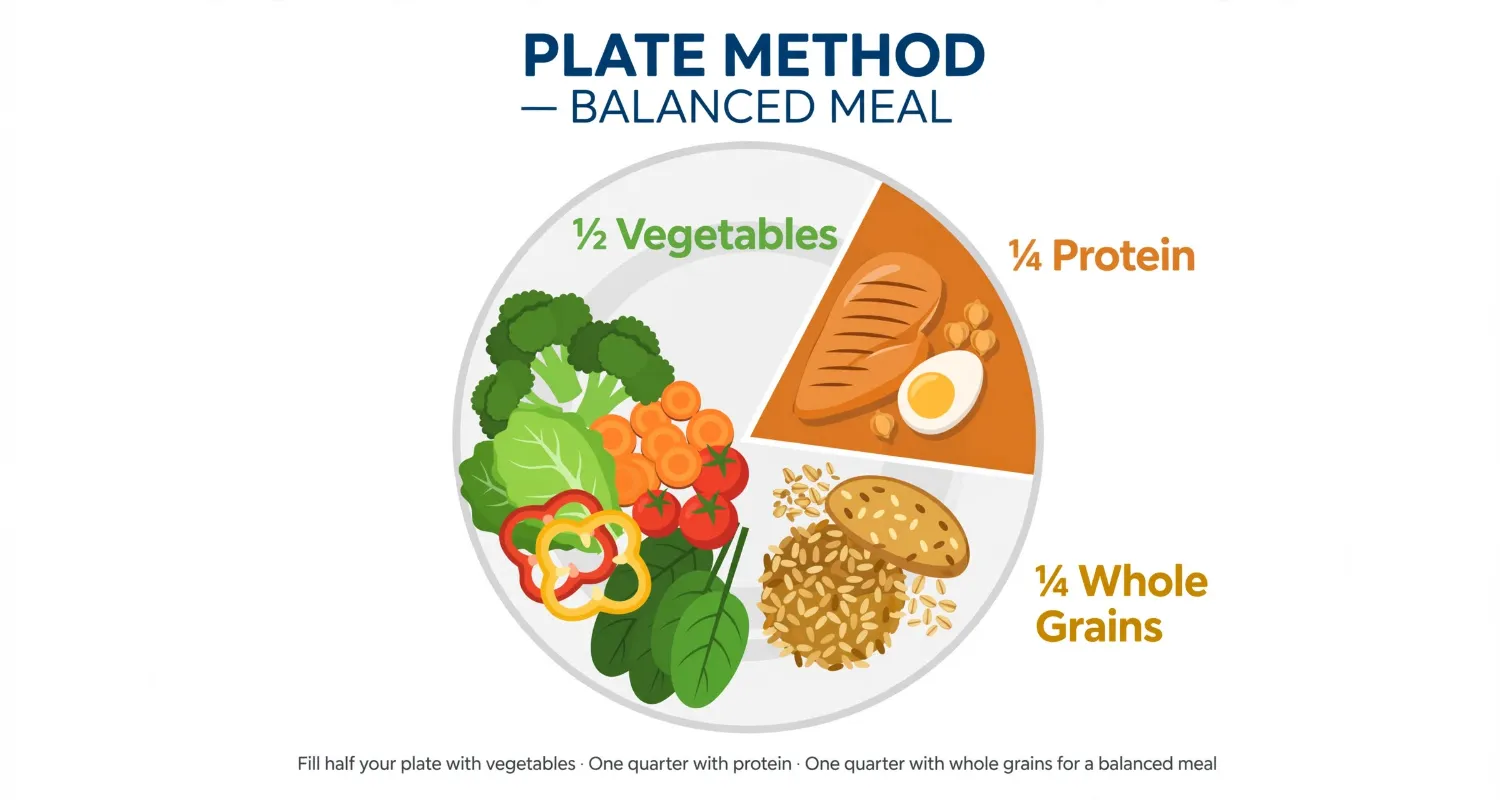
A simple, balanced day (sample meal plan)
Instead of an extreme “10 kg in 7 days” plan, use this sustainable template and adjust portions to your needs:
- Breakfast: eggs or Greek yogurt + oats + fruit.
- Lunch: a palm-sized protein + a big serving of vegetables + a fist of whole grains.
- Snack: fruit or nuts.
- Dinner: lean protein + plenty of vegetables; go lighter on carbs.
- Drink: water; unsweetened tea or coffee.
Exercise for weight loss
Diet controls how much you eat; exercise makes weight loss healthier and easier to maintain. A good weight loss exercise plan combines:
- Daily movement / walking — one of the easiest and most sustainable ways to burn calories. Aim for 7,000–10,000 steps.
- Strength training 2–3× a week — builds muscle, which keeps your metabolism higher.
- Some cardio — brisk walking, cycling, swimming or running for heart health.
The CDC recommends about 150 minutes of moderate activity per week as a healthy baseline.
Habits that quietly decide your success
- Sleep 7–9 hours — poor sleep raises hunger hormones and cravings.
- Drink water before meals; thirst is often mistaken for hunger.
- Manage stress — chronic stress drives overeating.
- Eat slowly and without screens to notice fullness.
What about weight loss drinks and “detox” teas?
The best weight loss drink is plain water. Green tea and black coffee can give a small metabolism nudge, but no drink “melts fat.” Be very sceptical of detox teas and slimming drinks — many just act as laxatives, cause water loss (not fat loss), and can be harmful.
The truth about belly fat
You cannot spot-reduce belly fat — no exercise or food burns fat from one area only. Belly fat goes down as your overall body fat goes down, through the same calorie deficit, protein, strength training and sleep. Endless crunches won’t do it.
Fat burners, supplements and diet pills — what actually works?
This is where most money is wasted. Here’s the honest picture:
- Over-the-counter “fat burners” and supplements (including many marketed under names like garcinia cambogia and various branded pills) have weak or no reliable evidence, and some carry real safety risks. They are not a shortcut.
- Beware “miracle” supplement brands heavily advertised online with dramatic before/after claims — many are scams with fake reviews. If it promises rapid, effortless fat loss, it’s a red flag.
- Prescription weight-loss medications (such as GLP-1 medicines and other approved drugs) can be effective for some people — but they are prescription-only, have side effects, and must be supervised by a doctor. Never buy them from unverified online sellers.
Avoid crash diets and extreme methods
Plans promising to “lose 10 kg in 7 days” or other extreme weight loss methods usually cause water and muscle loss, slow your metabolism, and lead to rebound weight gain. They can also be dangerous. Rapid crash dieting is one of the most common reasons people regain everything — and more. Slow and steady genuinely wins.
When to see a doctor (medical weight loss)
Consider medical weight loss support — a doctor, dietitian or clinic — if you have a lot of weight to lose, a health condition (diabetes, heart disease, PCOS, thyroid issues), or you’ve tried and struggled. Professional guidance is safer and often more effective than going it alone, and it’s essential before considering any medication.
Frequently asked questions
What is the best way to lose weight?
A sustainable calorie deficit built on whole foods, enough protein, regular movement (including walking and strength training), and good sleep. The best plan is the healthy one you can maintain long term.
What is the fastest way to lose weight safely?
A safe rate is about 0.5–1 kg (1–2 lb) per week. Faster “crash” loss is mostly water and muscle and usually comes back. Prioritise consistency over speed.
What foods should I eat to lose weight?
High-protein, high-fibre, whole foods: eggs, chicken, fish, Greek yogurt, beans, lentils, vegetables, fruit and whole grains. Limit sugary drinks and ultra-processed snacks.
Do fat burners and weight loss supplements work?
Most over-the-counter fat burners and supplements have weak or no reliable evidence and can carry risks. There’s no substitute for diet and exercise. Talk to a doctor before trying any supplement.
How do I lose belly fat specifically?
You can’t target belly fat directly. It reduces as your overall body fat drops through a calorie deficit, protein, strength training and sleep.
Are prescription weight-loss medications safe?
Some are effective for certain people but are prescription-only, have side effects, and must be supervised by a doctor. Never buy them from unverified sources.
This article is general health information, not medical advice. Everyone’s needs are different — consult a qualified doctor or registered dietitian before starting a weight-loss diet, exercise plan, supplement or medication. Sources: CDC, NHS, Harvard Nutrition Source. If you ever feel your relationship with food or your body has become distressing, please reach out to a health professional for support.